Pharmacist review pending. This page describes clinical trial findings and has not yet been checked by a licensed Canadian pharmacist. Every figure is cited below so you can read the source directly. Do not use it to make a treatment decision.
Quick verdict
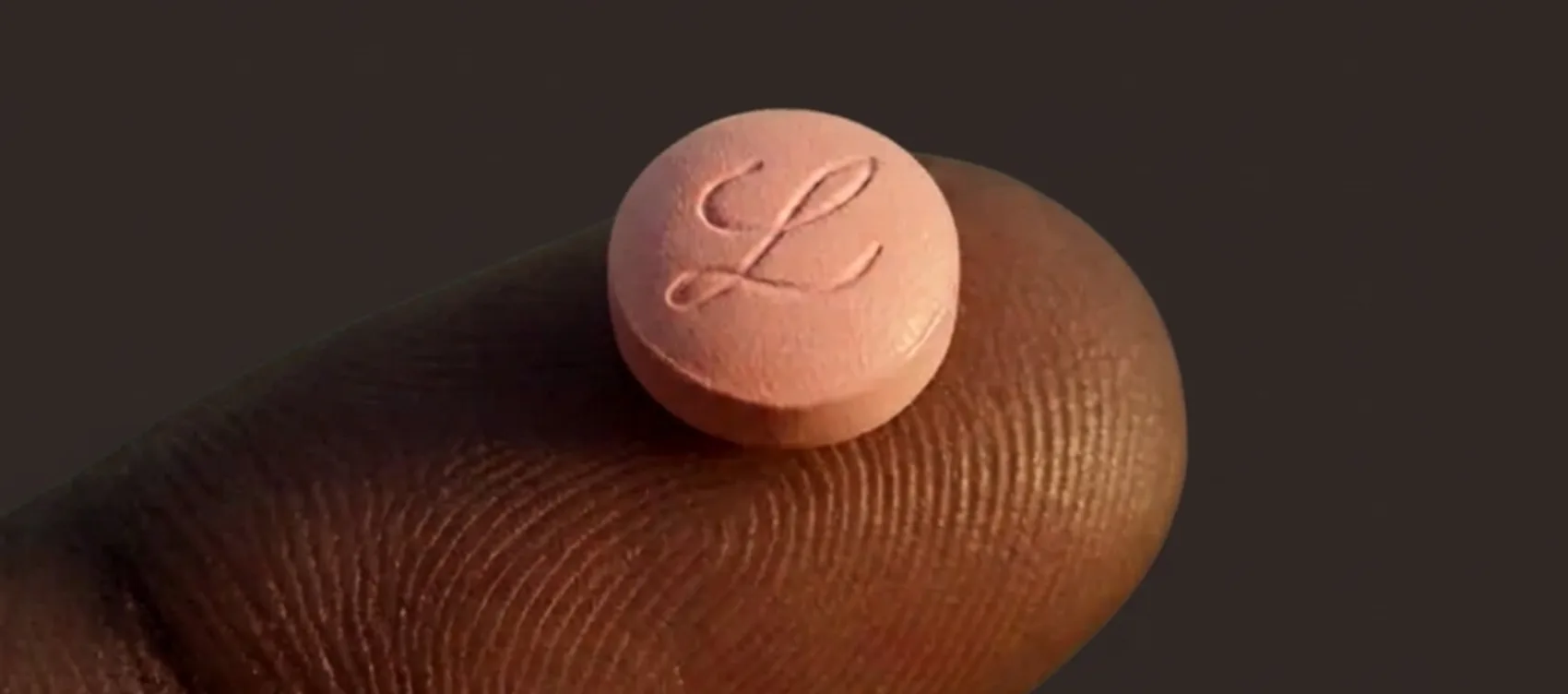
What is orforglipron? It is an oral small-molecule GLP-1 receptor agonist made by Eli Lilly and Company, taken as a tablet, once daily. Americans can fill it today under the brand name Foundayo, approved for weight management in April 2026. Canadians cannot, at least not yet. The reason people care is simple: it is the first drug of its kind that behaves like an ordinary pill, swallowed at any hour, with food or without, and no injection anywhere in the routine.
We built this page to answer the question properly. Here is what the molecule is, how it acts on your body, where it came from, what the big trials showed and what regulators have signed off on. If you only want the Canadian picture, our orforglipron Canada tracker covers that day by day.
What is orforglipron, at a glance
Let's start with the facts that never change, whatever happens with Health Canada.
| Item | Detail |
|---|---|
| Generic name | orforglipron |
| US brand name | Foundayo |
| Development code | LY3502970 (originally OWL833 at Chugai) |
| Maker | Eli Lilly and Company; Canadian filer is Eli Lilly Canada Inc. |
| Drug class | oral small-molecule GLP-1 receptor agonist |
| How it is taken | tablet, once daily, with or without food |
| US tablet strengths | 0.8, 2.5, 5.5, 9, 14.5 and 17.2 mg |
| First approval | United States, April 1, 2026 |
| Status in Canada | Under review, no Notice of Compliance |
The strengths come straight from the FDA label. We list them so you can recognise the product, not as a guide to taking it. Dose decisions belong with a prescriber.
How orforglipron works in the body
GLP-1 (glucagon-like peptide-1) is a hormone your gut releases after a meal. It tells the pancreas to release insulin when blood sugar is up, slows the rate your stomach empties, and signals the brain that you have had enough to eat. Natural GLP-1 lasts only minutes in the blood, which is why drug makers spent decades building longer-lasting versions.
Orforglipron binds to the same receptor and switches it on. The FDA prescribing information says the receptors sit in brain regions that regulate appetite, and that in animal work the drug reached and activated neurons in those areas. The label also says it lowers food intake, probably by cutting appetite, and that weight lost on it is mostly fat rather than lean tissue. It slows gastric emptying too, most strongly after the first dose, with the effect fading over time.
A partial, "biased" agonist
Here is a detail most explainers skip. A 2020 structural study in PNAS, written by scientists from Chugai, Lilly and Stanford, found that orforglipron grips the receptor in a pocket of its own, held partly by the receptor's outer domain. It acts as a partial agonist, and it favours the receptor's G protein signal while recruiting little or no beta-arrestin, a second pathway linked to receptors being pulled inside the cell. The authors argued that this profile could suit long-term glucose control. That is a laboratory finding, not proof of a clinical edge, and we would not read more into it than that.
The same paper explains a quirk you will see on the label. Orforglipron only works on primate GLP-1 receptors, because it needs an amino acid that mice and rats do not have at that spot. So the usual rodent thyroid tumour studies could not test it the normal way, and the US label still carries the class-wide thyroid warning. Our orforglipron safety guide sets out what that warning says.
Why orforglipron can be a pill when most GLP-1s cannot
Semaglutide (Ozempic, Wegovy, Rybelsus) and tirzepatide (Mounjaro, Zepbound) are peptides, which means short chains of amino acids. Your gut treats them like any other protein and chops them up. That is the main reason those drugs come in pens.
The one oral peptide on Canadian shelves, Rybelsus, shows what it costs to get around that. Its Canadian product monograph says to take it on an empty stomach with no more than 120 mL of water, then wait at least 30 minutes before any food, drink or other pills. Skip the wait and less of the drug gets absorbed. We compare the two tablets side by side on our Foundayo vs Rybelsus page, so we will keep this short.
Orforglipron sidesteps the problem by not being a peptide at all. It is a synthetic small molecule with no structural resemblance to GLP-1, so it passes through digestion intact, like most of the pills in your medicine cabinet. The FDA label puts its bioavailability at 77% after a 0.8 mg dose and found no clinically relevant food effect.
How the drug moves through you
- Peak level: 4 to 8 hours after a dose.
- Half-life: roughly 29 to 49 hours, which is why once a day is enough.
- Steady state: reached after about a week of daily dosing.
- Breakdown: mostly by the liver enzyme CYP3A4, then out through the bowel; under 1% shows up in urine.
- Storage: room temperature, kept in the original bottle away from light.
That CYP3A4 route matters. Strong drugs that block or speed up the enzyme change how much orforglipron reaches the blood, and the label caps the dose or advises against some combinations. The label also tells people on the oral contraceptive pill to add or switch to a non-oral method for 30 days after starting and after each dose increase, because slower stomach emptying may affect absorption. Bring your full medication list to any prescriber conversation.
Where orforglipron came from
The molecule was not born at Lilly. Chugai Pharmaceutical in Japan found it by screening compounds against the human GLP-1 receptor and then refining the best hit through several rounds of chemistry. Chugai called it OWL833.
On September 26, 2018, the two companies announced a licence. Lilly took worldwide rights to develop and sell the compound, paid US$50 million upfront, and agreed to further payments and royalties if it reached the market. At that point OWL833 was a phase 1-ready candidate aimed at type 2 diabetes. Lilly renamed it LY3502970, and the name orforglipron followed. For the story behind Foundayo, see our guide to the orforglipron brand name.
The obesity case started building in 2023. A phase 2 trial in the New England Journal of Medicine enrolled 272 adults with obesity or overweight. At 36 weeks, average weight change ranged from 9.4% to 14.7% down across the orforglipron groups, against 2.3% on placebo. Those results sent the drug into two phase 3 programmes at once.
There is a Canadian thread here too. Dr Sean Wharton of McMaster University and the Wharton Weight Management Clinic in Burlington, Ontario, was first author on both the phase 2 paper and the main phase 3 obesity paper.
The orforglipron trial programme: ATTAIN and ACHIEVE
Lilly split the phase 3 work into two families. ATTAIN covers weight management. ACHIEVE covers type 2 diabetes. Let's break both down at overview level.
ATTAIN: weight management
Two 72-week, placebo-controlled studies carry the weight case. ATTAIN-1, in the New England Journal of Medicine, enrolled 3,127 adults without diabetes. ATTAIN-2, in The Lancet, enrolled 1,613 adults who also had type 2 diabetes.
ATTAIN-1
Adults with obesity, without type 2 diabetes. Average 12.4% body weight reduction at the highest dose. Roughly 27.3 lb on the efficacy estimand at 72 weeks. 59.6% of participants on the highest dose lost at least 10% of body weight and 39.6% lost at least 15%. On the treatment-regimen estimand the figure at 36 mg was 11.2%, against 2.1% for placebo.
ATTAIN-2
Adults with obesity and type 2 diabetes. Average 10.5% body weight reduction at the highest dose. Roughly 22.9 lb on the efficacy estimand at 72 weeks, with up to 9.6% on the treatment-regimen estimand. Weight loss in people with type 2 diabetes is consistently smaller than in people without it, across every GLP-1 studied, so the gap against ATTAIN-1 is expected rather than a weakness of this drug.
A third study asked the question everyone asks about GLP-1 drugs: what happens after the weight comes off? ATTAIN-MAINTAIN, published in Nature Medicine in 2026, took people who had already lost weight on injectable tirzepatide or semaglutide and moved them to orforglipron or placebo for 52 weeks. People switched from tirzepatide kept an estimated 74.7% of their weight reduction on orforglipron versus 49.2% on placebo. People switched from semaglutide kept 79.3% versus 37.6%. The authors flag the limits: one year only, and no arm that simply stayed on the injection.
ACHIEVE: type 2 diabetes
| Trial | Who and how long | What it found |
|---|---|---|
| ACHIEVE-1 | 559 adults with type 2 diabetes on diet and exercise alone, 40 weeks, vs placebo | A1C fell 1.24 to 1.48 points from a baseline of 8.0%, vs 0.41 on placebo |
| ACHIEVE-3 | 1,698 adults on metformin, 52 weeks, vs oral semaglutide (Rybelsus) | Both orforglipron doses beat both semaglutide doses on A1C, with more GI side effects and dropouts |
ACHIEVE-1 was the first phase 3 result for any oral small-molecule GLP-1, published in the New England Journal of Medicine in 2025. ACHIEVE-3, in The Lancet, is the one Canadians tend to ask about, because its comparator is a drug sold here. The rest of the ACHIEVE series tests orforglipron against or on top of other diabetes treatments.
Why you see two weight-loss numbers
ATTAIN-1 is reported as both 12.4% and 11.2%, and both are honest. They come from different estimands. The efficacy estimand describes people who stayed on the drug. The treatment-regimen estimand counts everyone randomised, including those who stopped. The first tells you whether the drug works. The second tells you what tends to happen when people start it. A headline that quotes the bigger figure without naming the method is the commonest slip in GLP-1 coverage, and we label it every time.
Why the trial doses do not match the label
The phase 3 trials used capsules. The marketed product is a tablet that absorbs better, so the numbers shrink. The FDA treats these pairs as equivalent:
- Trial capsule 6 mg corresponds to Foundayo tablet 5.5 mg
- Trial capsule 12 mg corresponds to Foundayo tablet 9 mg
- Trial capsule 36 mg corresponds to Foundayo tablet 17.2 mg
So when you read "36 mg" in a journal and "17.2 mg" on a pharmacy label, they describe the same exposure. That mismatch confuses a lot of online coverage.
What orforglipron is approved for
In the United States, the April 2026 label covers one use. Foundayo is for adults with obesity, or adults with overweight and at least one weight-related condition, to reduce excess weight and keep it off long term, alongside a lower-calorie diet and more physical activity. It should not be combined with another GLP-1 drug. Type 2 diabetes is not on that US label.
The UK went further. On August 10, 2026, the Medicines and Healthcare products Regulatory Agency authorised orforglipron for weight management and for type 2 diabetes, making the UK the first European country to license it.
Orforglipron in Canada
Right now, no Canadian prescription can be filled for it. Health Canada's Submissions Under Review list shows one new drug submission for orforglipron calcium from Eli Lilly Canada, accepted in January 2026 and filed as a new active substance. It is an aligned review, which means Canada's Drug Agency (CDA-AMC) works on the funding question in parallel instead of waiting. CDA-AMC opened two reimbursement reviews, one for weight management in April 2026 and one for type 2 diabetes in May 2026. No Notice of Compliance has been issued yet.
Our take: the UK decision covering diabetes is a useful signal for Canada, but it is not a forecast. Health Canada reviews its own way. For dates and review windows, see the Health Canada approval timeline. For what you can do today, read where Foundayo stands in Canada.
Side effects, cost and Rybelsus: the short version
Each of these has its own page. Here is the summary.
- Side effects. Mostly gut-related (nausea, constipation, diarrhea, vomiting), worst when starting and when stepping up a dose. The label also lists pancreatitis, gallbladder problems and the thyroid warning. Rates by dose are on the side effects page.
- Cost. No Canadian price exists because the product is not sold here. US self-pay and list prices, and how Canadian pricing gets set, are on the orforglipron price page.
- Rybelsus. The only oral GLP-1 Canadians can buy today. ACHIEVE-3 is the one direct comparison, in diabetes only. Our head-to-head breakdown covers the details.
So, what is orforglipron worth knowing about?
In our view, three things set it apart. It is the first GLP-1 drug built from scratch as a pill rather than squeezed into one. It drops the fasting ritual that oral semaglutide needs. And because it is made by chemical synthesis, Lilly can produce it at scale without the peptide manufacturing that has strained supply of injectables.
What it is not: the strongest weight-loss drug on the market. Average results in ATTAIN-1 sit below what the top injectable doses have reported in their own trials, though no study has tested them against each other. For someone who will not use a needle, or who struggles with the Rybelsus routine, that trade-off may be fine. That is a conversation to have with your doctor once Health Canada makes its call.
Common questions
What is orforglipron in simple terms?
Orforglipron is a daily tablet that copies the effect of GLP-1, a gut hormone that tells your brain you have eaten enough. Eli Lilly makes it and sells it in the United States as Foundayo. Unlike Ozempic or Wegovy, it is a small chemical molecule rather than a protein, so it survives digestion and needs no injection and no fasting routine.
Is orforglipron the same thing as Ozempic or semaglutide?
No. They act on the same GLP-1 receptor, but they are different drugs. Semaglutide is a peptide, a short protein chain, which is why Ozempic and Wegovy are weekly injections. Orforglipron is a non-peptide small molecule taken once a day by mouth. The two have never been compared head to head in an obesity trial.
Is orforglipron a peptide?
No, and that is the whole point of it. Researchers at Chugai built it from chemical screening rather than from the natural hormone, so its structure looks nothing like GLP-1 itself. It still switches on the human GLP-1 receptor. Because it is not a protein, stomach acid and digestive enzymes do not break it down the way they break down semaglutide.
What is orforglipron approved for?
In the United States, the April 2026 Foundayo label covers chronic weight management in adults with obesity, or with overweight plus at least one weight-related health condition, alongside diet and exercise. The UK regulator authorised it in August 2026 for weight management and for type 2 diabetes. Canada has not authorised it for anything yet.
Who discovered orforglipron?
Chugai Pharmaceutical, a Japanese company in the Roche group, found the molecule and called it OWL833. Eli Lilly licensed worldwide rights in September 2018 for a US$50 million upfront payment, renamed it LY3502970, and ran every clinical trial from phase 1 through phase 3. The brand name Foundayo came with the 2026 US approval.
Can I get orforglipron in Canada right now?
Not through a Canadian pharmacy. Health Canada has had a new drug submission from Eli Lilly Canada under review since January 2026, and no Notice of Compliance has been issued. Canada’s Drug Agency is running two reimbursement reviews alongside it. Our Foundayo in Canada page tracks what has to happen before it reaches shelves here.
Sources
- FOUNDAYO (orforglipron) tablets, for oral use: Full Prescribing Information. Eli Lilly and Company / U.S. Food and Drug Administration, April 2026.
- Structural basis for GLP-1 receptor activation by LY3502970, an orally active nonpeptide agonist. Proceedings of the National Academy of Sciences, November 2020.
- Chugai and Lilly Enter into a License Agreement for Oral GLP-1 Agonist, OWL833. Chugai Pharmaceutical Co., Ltd. and Eli Lilly and Company (Business Wire), September 2018.
- Daily Oral GLP-1 Receptor Agonist Orforglipron for Adults with Obesity. New England Journal of Medicine, September 2023.
- Orforglipron, an Oral Small-Molecule GLP-1 Receptor Agonist for Obesity Treatment. New England Journal of Medicine, September 2025.
- Orforglipron, an oral small-molecule GLP-1 receptor agonist, for the treatment of obesity in people with type 2 diabetes (ATTAIN-2): a phase 3, double-blind, randomised, multicentre, placebo-controlled trial. The Lancet, September 2025.
- Orforglipron, an Oral Small-Molecule GLP-1 Receptor Agonist, in Early Type 2 Diabetes (ACHIEVE-1). New England Journal of Medicine, September 2025.
- Efficacy and safety of once-daily oral orforglipron compared with oral semaglutide in adults with type 2 diabetes (ACHIEVE-3). The Lancet, February 2026.
- Orforglipron for maintenance of body weight reduction: the double-blind, randomized phase 3b ATTAIN-MAINTAIN trial. Nature Medicine, January 2026.
- FDA approves Lilly’s Foundayo (orforglipron), the only GLP-1 pill for weight loss that can be taken any time of day without food or water restrictions. Eli Lilly and Company, April 2026.
- UK first in Europe to authorise orforglipron for weight management and type 2 diabetes. Medicines and Healthcare products Regulatory Agency (GOV.UK), August 2026.
- Drug and Health Product Submissions Under Review (SUR): New drug submissions under review. Health Canada, September 2026.
- orforglipron: Reimbursement Review. Canada's Drug Agency (CDA-AMC), April 2026.
- orforglipron (T2D): Reimbursement Review. Canada's Drug Agency (CDA-AMC), May 2026.
- Rybelsus (semaglutide tablets) Product Monograph. Novo Nordisk Canada Inc., December 2025.